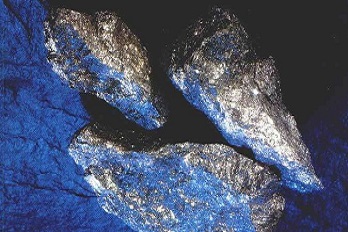
Anaconda Copper

Company Location
| Company Name Anaconda Copper |
Company Type Not Mentioned |
Industry mining |
| Founded Not Mentioned |
Headquarters Not Mentioned |
Area Served Not Mentioned |
| Key People Not Mentioned |
Revenue Not Mentioned |
Number of Employees Not Mentioned |
| Products Copper, aluminum, zinc, silver, gold, uranium and other metals; coal; forest products |
Website Not Mentioned |
Company Email Not Mentioned |
| Address Not Mentioned |
Subsidiaries Not Mentioned |
Facebook |
Twitter |
Instagram |
LinkedIn |
Company Overview
Anaconda Copper, historically known as the Anaconda Copper Mining Company, was one of the most influential copper producers in the United States during the twentieth century. Founded in Montana, the company became synonymous with large scale copper extraction and industrial expansion. Anaconda played a critical role in supplying copper for electrical infrastructure, telecommunications, and wartime manufacturing. The company developed extensive open pit and underground mining operations supported by smelting and refining facilities. At its peak, Anaconda was one of the largest copper producers in the world and a dominant force in the Butte, Montana mining district. Its vertically integrated model combined mining, processing, and refining within a unified corporate structure. The company expanded internationally and diversified into aluminum and other metals over time. Anaconda Copper was instrumental in shaping the modern American mining industry and the development of large scale industrial metallurgy. Through decades of production, infrastructure expansion, and technological development, the company left a lasting legacy in the global copper sector.
Company History
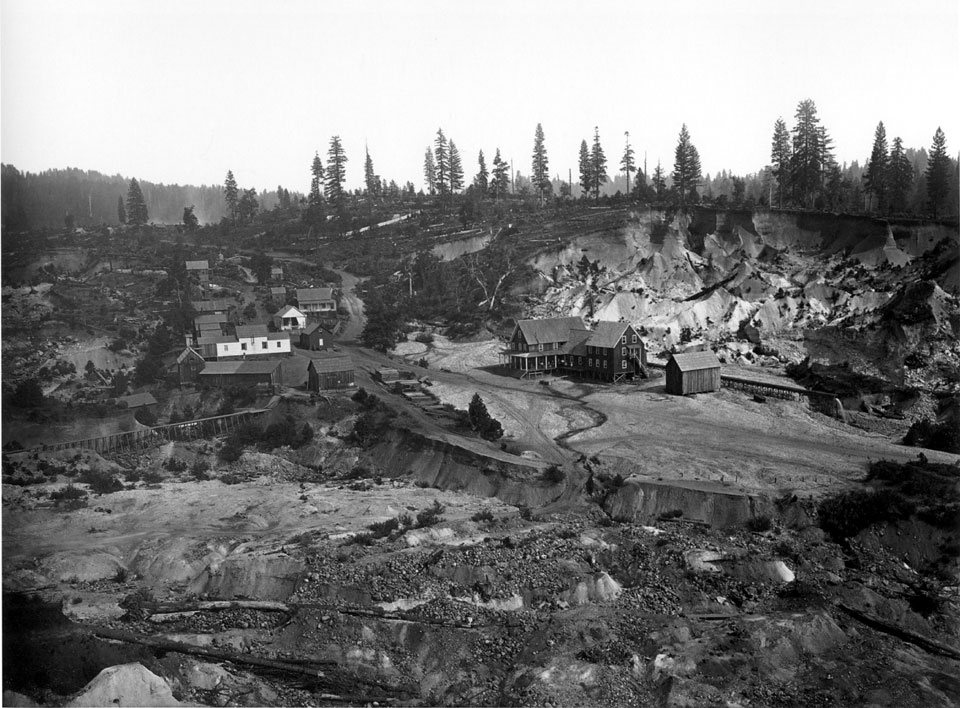
Anaconda Copper Mining Company was incorporated in 1881 in Butte, Montana, following significant copper discoveries in the region. During the late nineteenth century, the company expanded rapidly as copper demand increased with the rise of electrical infrastructure.
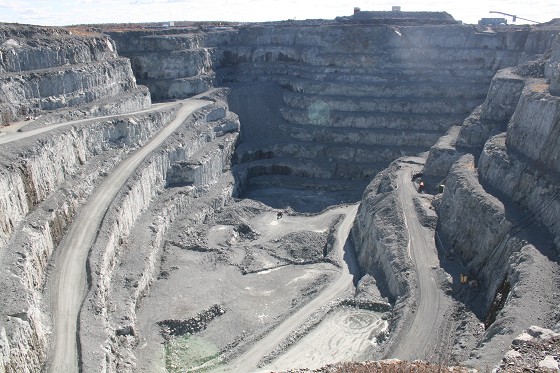
By the early 1900s, Anaconda had become one of the largest copper producers in the world. The development of the Berkeley Pit in 1955 marked a major transition to large scale open pit mining operations. The company diversified into aluminum production in the 1960s, reflecting strategic expansion beyond copper.
In 1977, Anaconda was acquired by Atlantic Richfield Company in a major corporate transaction. Subsequent restructuring and environmental remediation programs shaped the legacy of its Montana operations into the late twentieth century.
Areas of Operation
Primary Mining Regions
Anaconda Copper operated primarily in Montana, United States, with its flagship operations centered in the Butte mining district. The company later expanded internationally into Chile and other copper producing regions during the twentieth century.
Infrastructure and Processing Facilities
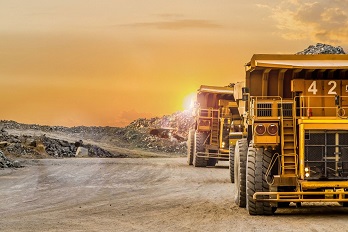
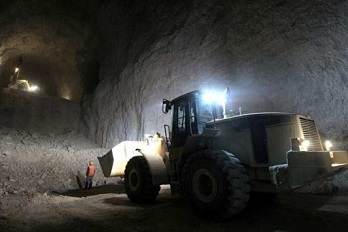
The company developed extensive underground mines, large scale open pits including the Berkeley Pit established in 1955, and integrated smelting and refining facilities. Rail infrastructure connected Montana mines to domestic industrial centers and export markets.
Strategic Geographic Advantage
Montana location provided access to rich copper ore bodies and established transport networks linking western United States industrial hubs. International expansion further integrated Anaconda within global copper trade systems.
Recent Activities
In 2024, environmental monitoring and remediation activities continued at former Anaconda Copper sites in Montana under federal and state oversight programs.
Cleanup initiatives during 2024 focused on water treatment, soil remediation, and long term site stabilization within the historic Berkeley Pit and surrounding Superfund areas.
In 2025, regulatory authorities maintained environmental compliance monitoring and infrastructure rehabilitation efforts associated with legacy mining operations.
Related Companies

Category