Bougainville Copper
Company Location
| Company Name Bougainville Copper |
Company Type Public |
Industry Mining |
| Founded 1970 |
Headquarters Papua New Guinea |
Area Served Not Mentioned |
| Key People Not Mentioned |
Revenue Not Mentioned |
Number of Employees Not Mentioned |
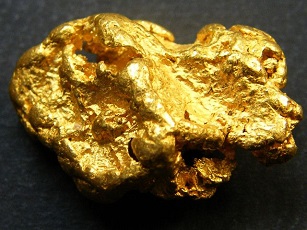
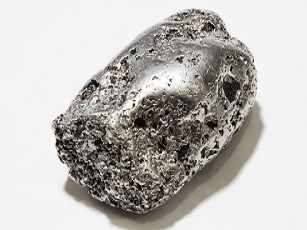
| Products copper, gold, and silver mining |
Website http://bcl.com.pg/ |
Company Email info@bcl.com.pg |
| Address Level 6, Pacific Place, PORT MORESBY Au |
Subsidiaries Not Mentioned |
Facebook |
Twitter |
Instagram |
LinkedIn |
Company Overview
Bougainville Copper is an Australian-linked mining company historically associated with large-scale copper operations in Papua New Guinea. The company has been involved in resource evaluation and redevelopment planning initiatives. Its strategic focus centers on copper resource potential and long-term project reactivation assessments.
Company History
Bougainville Copper was incorporated in 1967 to develop the Panguna copper mine in Papua New Guinea.
Commercial production began in 1972, making it one of the world’s largest copper mines at the time.
Operations were suspended in 1989, with subsequent decades focused on redevelopment assessments and stakeholder engagement.
Areas of Operation
Primary Mining Regions
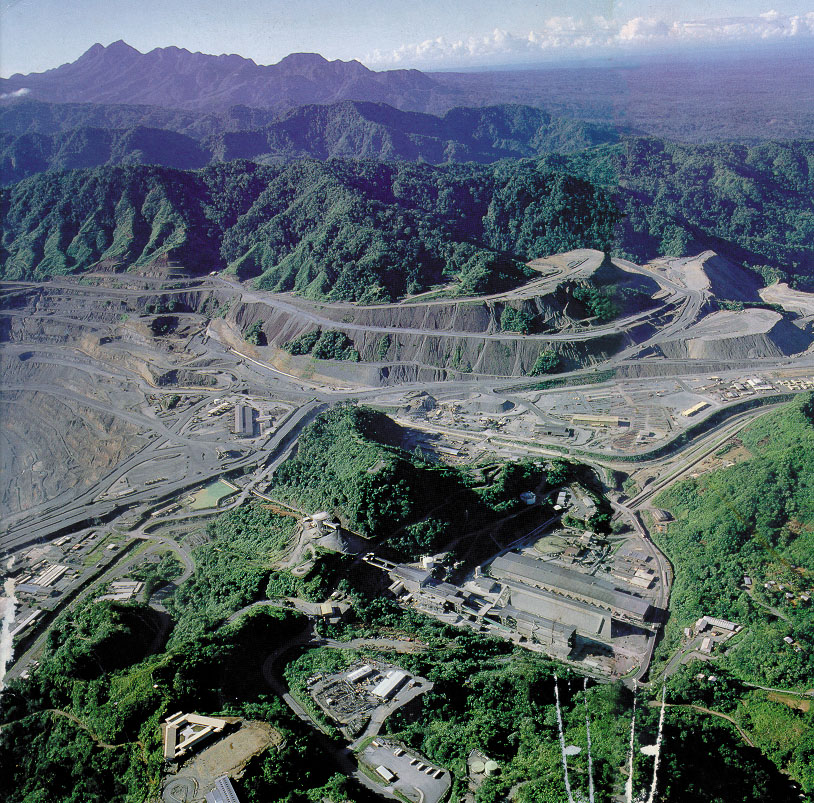
Bougainville Copper is historically associated with the Panguna mine in the Autonomous Region of Bougainville, Papua New Guinea. The deposit is located within a mineral-rich volcanic belt known for large copper-gold porphyry systems. The project area remains central to redevelopment discussions and long-term resource planning within the region.
Infrastructure and Processing Facilities
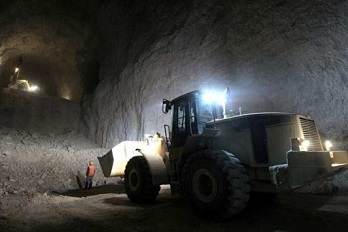
The original operation included large-scale open-pit mining infrastructure, concentrator facilities, and transport corridors connecting the mine to a coastal port for concentrate shipment. Supporting infrastructure included power generation systems and access roads built specifically for mining operations.
Strategic Geographic Advantage
The coastal proximity of Bougainville provides direct maritime export potential to Asian smelting markets. The scale of the resource and established transport corridors enhance long-term redevelopment feasibility and export integration.
Recent Activities
In 2024, Bougainville Copper continued stakeholder engagement initiatives related to the potential redevelopment of the Panguna copper project. Strategic discussions focused on regulatory alignment and long-term feasibility assessments.
Project planning efforts during the year emphasized infrastructure review, environmental considerations, and coordination with regional authorities to evaluate future operational pathways.
In 2025, the company remains focused on structured development planning and community consultation to support potential phased project advancement.
Related Companies


Category