Bridgewater Collieries
Company Location
| Company Name Bridgewater Collieries |
Company Type Public |
Industry Mining |
| Founded 1921 |
Headquarters Lancashire |
Area Served Not Mentioned |
| Key People Not Mentioned |
Revenue Not Mentioned |
Number of Employees Not Mentioned |
| Products coal |
Website Not Mentioned |
Company Email Not Mentioned |
| Address Not Mentioned |
Subsidiaries Not Mentioned |
Facebook |
Twitter |
Instagram |
LinkedIn |
Company Overview
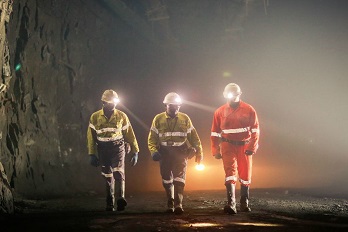
Bridgewater Collieries was a historic coal mining enterprise based in the United Kingdom, operating during the height of Britain industrial coal expansion. The company played a role in supplying thermal coal to regional manufacturing centers and urban energy networks, contributing to the development of local industrial infrastructure.
Its operations were aligned with the structured underground mining practices that characterized the British coal sector, supporting employment generation and regional economic activity. Bridgewater Collieries formed part of the broader network of privately operated collieries that strengthened the United Kingdom domestic coal production capacity.
Company History
Bridgewater Collieries emerged during the 19th century as part of the rapid industrial coal expansion in the United Kingdom. It was established to support growing regional demand for thermal coal driven by manufacturing and urban development.
During the late 1800s and early 1900s, the company expanded underground workings and improved shaft infrastructure to enhance production stability and workforce integration within the Lancashire coalfield.
Industry restructuring in the mid 20th century and the broader nationalization of coal operations reshaped its operational framework, aligning it with centralized energy coordination policies.
Areas of Operation
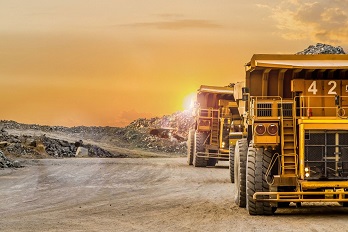
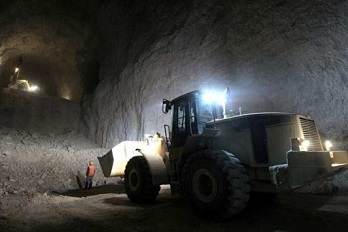
Operational Scope: Bridgewater Collieries operated underground coal mines supplying thermal coal for industrial and domestic consumption within northwest England.
Primary Mining Regions: The company activities were concentrated in the Lancashire coalfield of the United Kingdom, supporting regional manufacturing hubs.
Infrastructure and Logistics: Integrated rail connections and local distribution networks enabled steady coal transport to factories and urban energy markets.
Recent Activities
2024: Bridgewater Collieries remains referenced in regional heritage and land stabilization programs across former Lancashire coal sites, with monitoring initiatives focused on environmental rehabilitation and site safety management.
2025: Ongoing documentation and preservation efforts continue under local authority oversight, supporting historical asset management and community redevelopment planning within former coalfield districts.
Current activities are primarily associated with legacy mine management, environmental monitoring, and land reuse planning aligned with United Kingdom regulatory frameworks.
Related Companies



Category