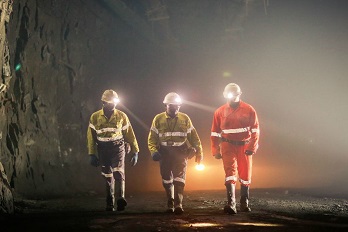
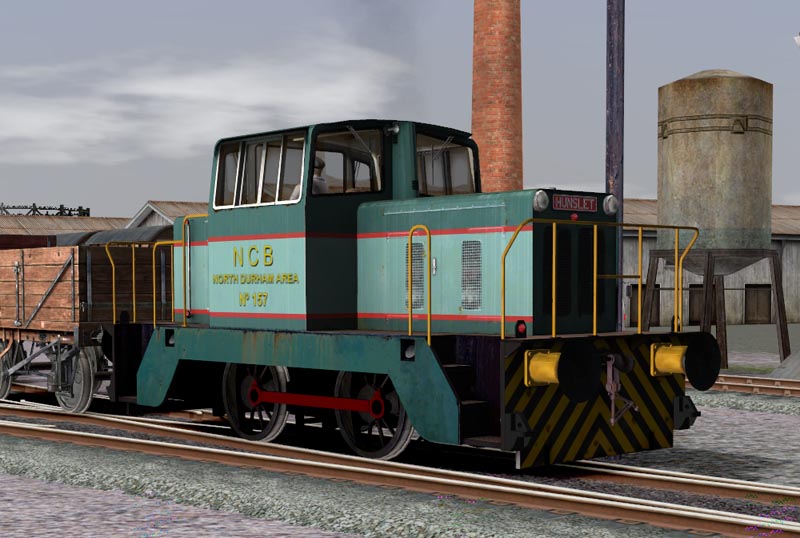
National Coal Board
Company Location
| Company Name National Coal Board |
Company Type Public |
Industry coal mining |
| Founded 1946 |
Headquarters United Kingdom |
Area Served Not Mentioned |
| Key People Not Mentioned |
Revenue Not Mentioned |
Number of Employees Not Mentioned |
| Products Coal Products |
Website Not Mentioned |
Company Email Not Mentioned |
| Address Not Mentioned |
Subsidiaries Not Mentioned |
Facebook |
Twitter |
Instagram |
LinkedIn |
Company Overview
National Coal Board was a centralized coal authority in the United Kingdom, established to manage nationalized coal production. It coordinated mining operations, workforce structures, and distribution systems across Britain coalfields.
The board played a critical role in shaping post war energy policy and modernizing mining infrastructure. Its structured oversight strengthened national coal output and industrial energy stability.
Company History
National Coal Board was established in 1947 following the nationalization of the United Kingdom coal industry. It centralized control of coal production and workforce administration.
Modernization initiatives during the 1950s and 1960s upgraded shafts, mechanized extraction systems, and strengthened production efficiency.
Industry reforms in the 1980s and early 1990s led to restructuring and eventual transition toward privatized coal operations.
Areas of Operation
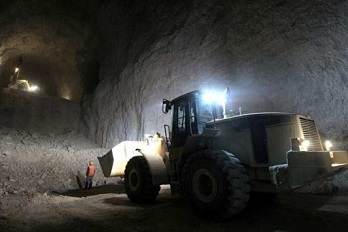
Operational Scope: National Coal Board oversaw nationwide coal mining operations including deep mining and surface extraction.
Primary Mining Regions: Major coalfields included Yorkshire, Midlands, South Wales, Scotland, and northeast England.
Infrastructure and Logistics: National rail freight integration, centralized planning offices, and port facilities supported coordinated energy distribution.
Recent Activities
2024: National Coal Board legacy responsibilities are administered through national agencies overseeing mine water treatment, land reclamation, and environmental rehabilitation programs.
2025: Government backed frameworks continue investment in coalfield regeneration and infrastructure stabilization initiatives across the United Kingdom.
Activities remain centered on post mining stewardship, regulatory compliance, and community redevelopment support.
Related Companies


Category