Noranda
Company Location
| Company Name Noranda |
Company Type Public |
Industry Mining |
| Founded 1922 |
Headquarters Ontario |
Area Served Not Mentioned |
| Key People Not Mentioned |
Revenue Not Mentioned |
Number of Employees Not Mentioned |
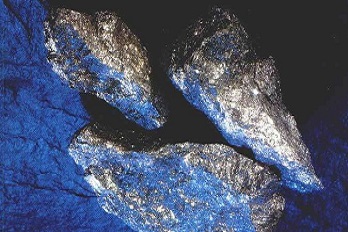
| Products Copper, gold, zinc, aluminum |
Website Not Mentioned |
Company Email Not Mentioned |
| Address Not Mentioned |
Subsidiaries Not Mentioned |
Facebook |
Twitter |
Instagram |
LinkedIn |
Company Overview
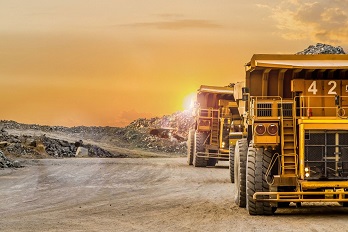
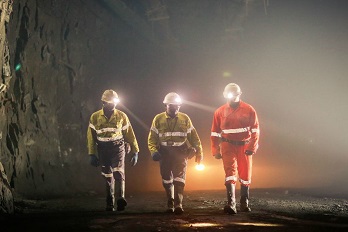
Noranda was one of Canada most influential mining and metallurgical enterprises, recognized for its vertically integrated copper and zinc operations. The company developed large scale underground and open pit mining assets supported by advanced smelting and refining infrastructure. Noranda built a strong reputation for connecting extraction, concentration, and metal production within a unified industrial framework. Its smelters processed both internal and third party concentrates, strengthening Canada metallurgical capacity. The organization invested heavily in transport corridors including rail and port access to facilitate global exports. Continuous modernization programs improved operational efficiency and environmental performance. Noranda played a significant role in shaping Canada base metal industry throughout the twentieth century. The company maintained disciplined geological exploration programs to sustain reserve growth. Its operational footprint extended across multiple provinces, reinforcing national industrial development. Noranda remains historically associated with structured resource management and integrated metal production leadership.
Company History
Noranda was founded in 1922 following the discovery of rich copper deposits in Rouyn Noranda, Quebec. The Horne Mine began production in 1927, quickly establishing the company as a major copper producer.
During the 1950s and 1960s, Noranda expanded internationally and invested heavily in smelting and refining capacity, strengthening its vertically integrated production model.
In 2005, Noranda was acquired by Falconbridge, marking the end of its independent operations and consolidating its assets within larger base metal corporate structures.
Areas of Operation
Primary Mining Regions
Noranda operated primarily in Quebec, Ontario, and other Canadian base metal districts following its founding in 1922. The Horne Mine in Rouyn Noranda became a central production hub beginning in 1927, establishing the region as a major copper and zinc producer.
Infrastructure and Processing Facilities
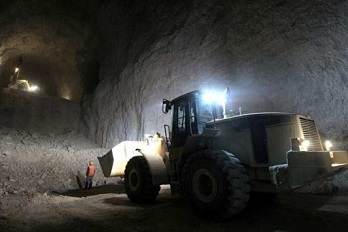
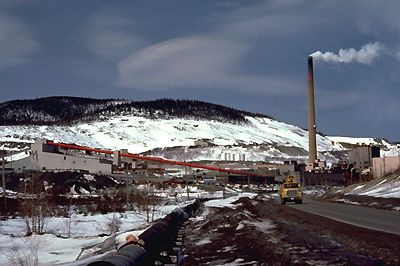
The company developed integrated underground mining operations supported by concentrators, smelters, and refining plants. Large scale metallurgical facilities built during the 1950s and 1960s strengthened its vertically integrated structure.
Strategic Geographic Advantage
Proximity to rail networks and access to eastern Canadian ports enabled efficient export of refined metals to global markets, reinforcing Noranda position within international base metal trade systems.
Recent Activities
In 2024, legacy operations historically associated with Noranda continued functioning under successor corporate structures within Canada base metal sector. Infrastructure modernization programs focused on maintaining smelting efficiency and environmental compliance.
Operational reviews during 2024 emphasized emissions management improvements and optimization of copper refining systems across former Noranda facilities.
In 2025, asset operators advanced metallurgical performance upgrades and long term sustainability initiatives, reinforcing the continued industrial relevance of Noranda established infrastructure.
Related Companies

Category