North Bloomfield Mining and Gravel Company
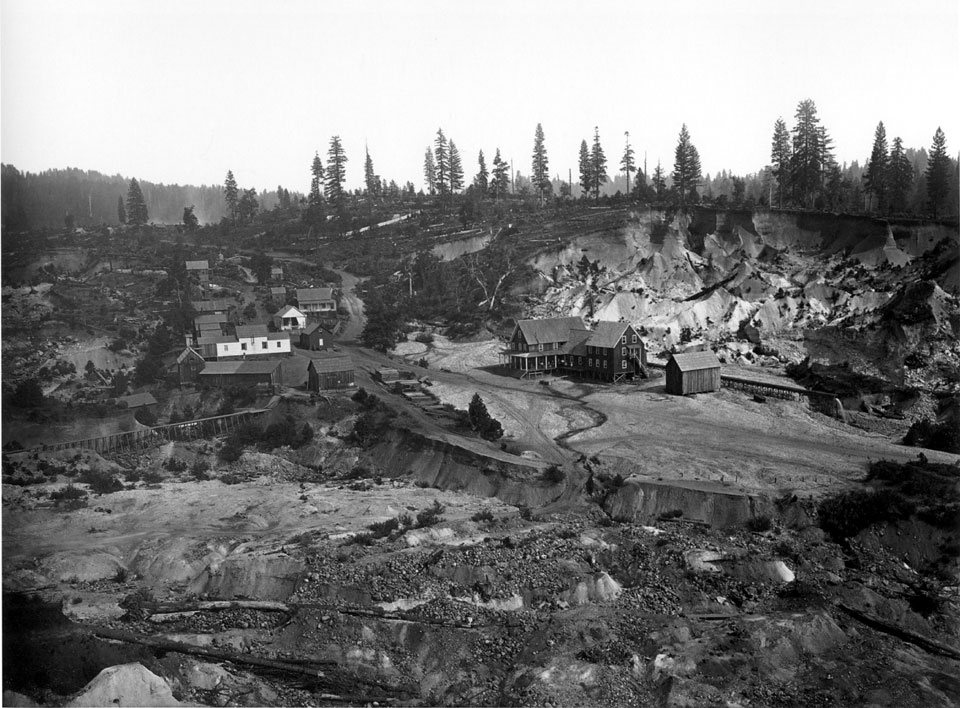
Company Location
| Company Name North Bloomfield Mining and Gravel Company |
Company Type Public |
Industry gold-mining |
| Founded 1866 |
Headquarters California |
Area Served Not Mentioned |
| Key People Not Mentioned |
Revenue Not Mentioned |
Number of Employees Not Mentioned |
| Products Gold Products |
Website http://www.malakoff.com/ |
Company Email hwy49@malakoff.com |
| Address Not Mentioned |
Subsidiaries Not Mentioned |
Facebook |
Twitter |
Instagram |
LinkedIn |
Company Overview
North Bloomfield Mining and Gravel Company was historically known for hydraulic gold mining operations in California. The company became widely recognized for large scale gravel extraction during the late nineteenth century.
Operating in the Sierra Nevada region, it utilized water diversion systems and hydraulic mining methods to process gold bearing gravel deposits.
Its operations played a central role in early industrial gold recovery, making North Bloomfield Mining and Gravel Company a notable name in California mining history.
Company History
North Bloomfield Mining and Gravel Company was incorporated in 1866 to conduct hydraulic gold mining in California.
In 1884, its operations became central to the landmark Woodruff v North Bloomfield Gravel Mining Company case.
Following the 1884 ruling, hydraulic mining practices were significantly restricted, marking a turning point in California mining history.
Areas of Operation
Primary Mining Regions
North Bloomfield Mining and Gravel Company operated in the Sierra Nevada region of California, a major gold producing district.
Infrastructure and Processing Facilities
Hydraulic mining systems were supported by extensive water diversion canals and gravel processing sites.
Strategic Geographic Advantage
Location within California gold belt provided access to established mining communities and western trade networks.
Recent Activities
In 2024, the Malakoff Diggins site associated with North Bloomfield Mining and Gravel Company remained a protected historic park in California.
Preservation programs during 2024 focused on maintaining hydraulic mining remnants and educating visitors about environmental impacts.
In 2025, state authorities continued conservation and historical interpretation initiatives related to early gold mining practices.
Related Companies


Category