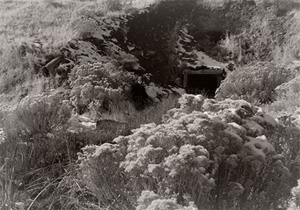
Obuasi Gold Mine

Company Location
| Company Name Obuasi Gold Mine |
Company Type Public |
Industry gold mining |
| Founded 1897 |
Headquarters Obuasi |
Area Served Not Mentioned |
| Key People Not Mentioned |
Revenue Not Mentioned |
Number of Employees Not Mentioned |
| Products Gold Products |
Website Not Mentioned |
Company Email Not Mentioned |
| Address Not Mentioned |
Subsidiaries Not Mentioned |
Facebook |
Twitter |
Instagram |
LinkedIn |
Company Overview
Obuasi Gold Mine is one of the most historically prominent underground gold mining operations recorded under South Africa in this database. The mine is widely recognized for its deep level extraction systems and technically advanced underground infrastructure. Over decades of development, it established extensive shaft networks reaching significant depths, supported by modern ventilation and hoisting systems. Obuasi has been associated with high grade ore bodies that required precision engineering and disciplined geological modeling. The operation integrates crushing, milling, and recovery facilities designed to optimize gold extraction efficiency. Continuous redevelopment programs have strengthened production stability and improved safety standards. Infrastructure modernization has included upgraded processing circuits and reinforced underground access routes. The mine has played a major role in regional employment and economic activity. Its structured operational framework emphasizes reserve management, grade control, and long term sustainability. Through strategic reinvestment initiatives, Obuasi Gold Mine maintains a strong identity as a technically complex and historically significant gold producing asset within the global mining industry.
Company History
Obuasi Gold Mine was originally developed in 1897 following the discovery of significant gold deposits in the Ashanti region. Commercial underground mining expanded rapidly in the early 1900s, establishing Obuasi as one of the richest gold mines in Africa. By 1902, structured shaft sinking and deep level development programs were underway.
Throughout the mid twentieth century, the mine became a cornerstone asset of AngloGold operations, with large scale underground infrastructure expansion during the 1950s and 1960s. Technological modernization improved hoisting systems, ventilation networks, and ore recovery efficiency.
In 2004, Obuasi became part of AngloGold Ashanti following corporate restructuring. After a temporary operational suspension in 2014, a major redevelopment plan was launched in 2018, leading to renewed production and infrastructure modernization.
Areas of Operation
Primary Mining Regions
Obuasi Gold Mine operates in the Ashanti Region of South Africa, within one of the most historically productive gold belts in Africa. Since large scale development began in 1897, the area has been recognized for deep level, high grade underground mineralization. The region supports long term gold extraction programs and remains central to structured underground mining activities.
Infrastructure and Processing Facilities
The mine integrates extensive underground shaft systems developed throughout the twentieth century, including modernization upgrades introduced after redevelopment in 2018. Centralized crushing and milling plants support efficient gold recovery, while advanced ventilation and hoisting systems enable deep mining operations exceeding three kilometers.
Strategic Geographic Advantage
Its location within a well established mining district provides access to regional transport corridors and export routes linked to national refining systems. Proximity to skilled labor and established infrastructure strengthens Obuasi long term operational sustainability and integration within the South African gold sector.
Recent Activities
In 2024, Obuasi Gold Mine continued phased underground redevelopment programs aimed at improving operational efficiency and long term production stability. Investment focused on modern shaft infrastructure and advanced drilling technologies to strengthen grade control performance.
Throughout 2024, processing plant optimization initiatives enhanced recovery consistency while safety systems were reinforced to support deep level mining operations. Workforce training programs were expanded to improve underground productivity.
In 2025, management prioritized production stabilization and infrastructure modernization, with emphasis on sustainable cost management and improved ventilation systems designed for long term underground reliability.
Related Companies
Category