Ranger Uranium Mine
Company Location
| Company Name Ranger Uranium Mine |
Company Type Public |
Industry Mining |
| Founded 1980 |
Headquarters Australia |
Area Served Not Mentioned |
| Key People Not Mentioned |
Revenue Not Mentioned |
Number of Employees Not Mentioned |
| Products Uranium products |
Website Not Mentioned |
Company Email Not Mentioned |
| Address Not Mentioned |
Subsidiaries Not Mentioned |
Facebook |
Twitter |
Instagram |
LinkedIn |
Company Overview
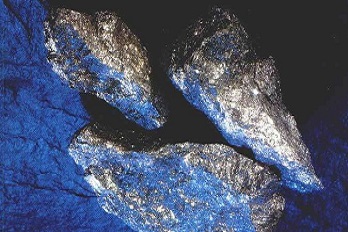
Ranger Uranium Mine was one of Australia most significant uranium mining operations, located in the Northern Territory near Kakadu National Park and historically operated under UK-linked corporate ownership. The mine produced uranium oxide concentrate for international nuclear energy utilities under strict regulatory and environmental oversight. Its operations were conducted within a highly monitored environmental framework to ensure compliance with international safety standards. Onsite processing plants managed crushing, leaching, and drying systems to produce export-grade uranium concentrate. Through secure transport and global supply agreements, Ranger contributed meaningfully to the international nuclear fuel supply chain.
Company History
Ranger Uranium Mine commenced operations in 1980 in the Northern Territory of Australia after significant uranium discoveries in the late 1960s.
Throughout the 1980s and 1990s, the mine supplied uranium oxide concentrate to international nuclear energy markets under strict environmental oversight frameworks.
Production ceased in 2021, followed by comprehensive rehabilitation planning aligned with regulatory commitments and long-term environmental management objectives.
Areas of Operation
Operational Scope and Regional Presence: Ranger Uranium Mine was located in the Northern Territory, Australia, within the Alligator Rivers uranium province near Kakadu National Park. The region is geologically significant for high-grade uranium deposits. The mine operated under strict environmental controls within a defined mineral lease area. Its geographic setting required advanced environmental stewardship and regulatory compliance.
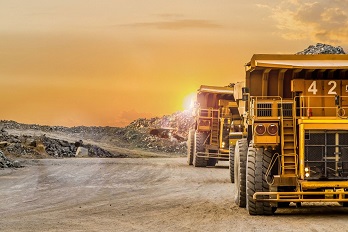
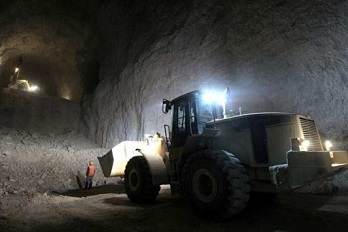
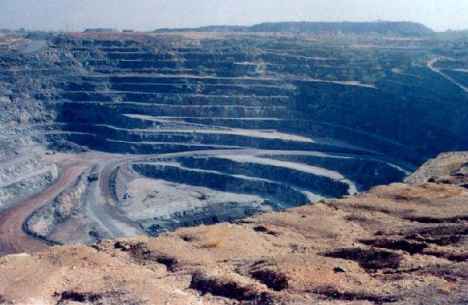
Infrastructure included open pit mining areas, crushing plants, leaching circuits, and uranium oxide processing facilities. Secure transport systems ensured safe movement of product to Darwin port for export. Logistics planning incorporated controlled access roads and monitored storage facilities. Integrated safety and compliance frameworks governed export shipments to international nuclear utilities.
The remote Northern Territory setting provided a strategic geographic advantage through access to established uranium-bearing formations within a controlled mining zone. Export logistics were strengthened by proximity to Darwin maritime facilities. Primary Mining Regions included the Alligator Rivers uranium district in Australia, supporting participation in the global nuclear fuel supply chain.
Recent Activities
2024: Ranger Uranium Mine continued site rehabilitation and environmental monitoring programs in the Northern Territory, focusing on tailings management and land restoration compliance following production cessation.
Infrastructure decommissioning and water management systems were maintained to ensure regulatory adherence and long-term environmental stability. Logistics activities were limited to rehabilitation-related operations.
2025: Ongoing commitments center on progressive rehabilitation milestones and environmental assurance reporting, aligned with federal and territorial oversight frameworks.
Related Companies


Category