Rossing Uranium Mine
Company Location
| Company Name Rossing Uranium Mine |
Company Type Public |
Industry Mining |
| Founded 1976 |
Headquarters Namibia |
Area Served Not Mentioned |
| Key People Not Mentioned |
Revenue Not Mentioned |
Number of Employees Not Mentioned |
| Products uranium mines |
Website http://www.rossing.com/ |
Company Email yourcontact@rossing.com.na |
| Address Not Mentioned |
Subsidiaries Not Mentioned |
Facebook |
Twitter |
Instagram |
LinkedIn |
Company Overview
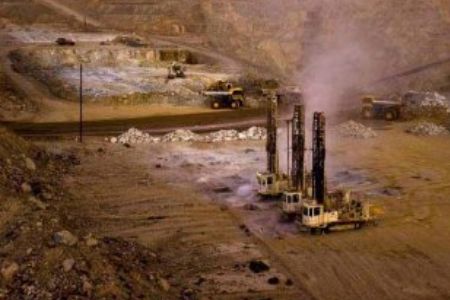
Rossing Uranium Mine is a long-established uranium mining operation located in the Erongo Region of Namibia, historically operated by a UK headquartered mining group. The large open pit mine produces uranium oxide concentrate for export to global nuclear fuel markets. Onsite processing plants conduct crushing, leaching, and chemical precipitation to ensure product consistency. Dedicated logistics systems connect the mine to Walvis Bay port facilities. Rossing remains a significant contributor to the international uranium and nuclear energy supply chain.
Company History
Rossing Uranium Mine commenced production in 1976 in Namibia following uranium discoveries in the Erongo region.
Throughout the 1980s and 1990s, it became one of the world largest open pit uranium mines supplying global nuclear markets.
Ownership changes in the 2010s marked a transition from UK corporate control to new stakeholders while maintaining its export focus.
Areas of Operation
Operational Scope and Regional Presence: Rossing Uranium Mine is located in the Erongo Region, Namibia, near the town of Arandis within a prominent uranium-bearing geological zone. The open pit operation occupies a defined mineralized corridor in the Namib Desert. The region is globally recognized for uranium production potential.
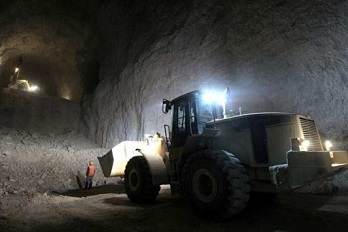
Infrastructure includes open pit benches, crushing and leaching plants, tailings facilities, and secure storage systems. Processed uranium oxide concentrate is transported via road to Walvis Bay port for export. Integrated logistics planning ensures compliance with international nuclear material handling standards.
The Namib Desert location provides a strong strategic geographic advantage due to large-scale deposit continuity and proximity to Atlantic shipping routes. Export access through Walvis Bay enhances international trade integration. Primary Mining Regions include the Rossing uranium district in Erongo Province, supporting global nuclear energy markets.
Recent Activities
2024: Rossing Uranium Mine sustained uranium oxide production in Namibia, supported by open pit optimization and processing plant efficiency improvements.
Transport coordination to Walvis Bay port strengthened export logistics and international nuclear fuel supply continuity.
2025: Development initiatives emphasize resource sustainability planning and operational cost optimization within the global uranium market.
Related Companies



Category