Strip Mining
Strip Mining: Process, Advantages, Disadvantages and Environmental Impact
Strip mining is a surface mining method used to extract coal, phosphate, lignite, iron ore, and other minerals located close to the Earth's surface. The process involves removing the layer of soil and rock, known as overburden, to expose valuable mineral deposits beneath. Strip mining is widely used because it is cost-effective, highly productive, and generally safer than underground mining.
What is Strip Mining?
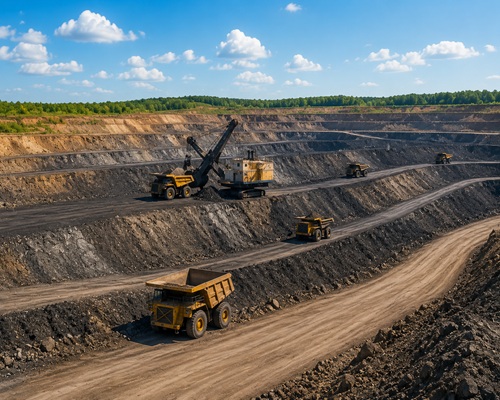
Strip mining is a mining technique where large strips of land are excavated to access shallow mineral deposits. Heavy equipment removes the overburden, exposing the ore body or coal seam. Once the mineral is extracted, mining operations move to the next strip while reclamation activities restore previously mined areas.
How Strip Mining Works
1. Site Preparation
Before mining begins, vegetation is cleared and the area is surveyed. Roads, drainage systems, and support infrastructure are established to ensure efficient operations.
2. Overburden Removal
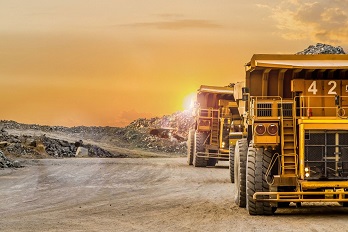
Bulldozers, draglines, excavators, and haul trucks remove soil and rock covering the mineral deposit. This overburden is often stored for later use during land reclamation.
3. Mineral Extraction
After exposing the mineral seam, mining equipment extracts coal, ore, or other resources. The material is then transported to processing facilities for refining.
4. Waste Management
Waste materials generated during mining are managed according to environmental regulations and company procedures.
5. Land Reclamation
Modern mining operations restore disturbed land by replacing topsoil, planting vegetation, and restoring natural drainage systems.
Types of Strip Mining
Area Strip Mining
Used on flat terrain where mineral deposits extend horizontally. Overburden from new strips is deposited into previously mined areas.
Contour Strip Mining
Applied in hilly regions where mining follows the contour of the land, creating terraces along slopes.
Mountaintop Removal Mining
A specialized form of strip mining that removes mountain summits to expose coal seams beneath. This method provides high productivity but has significant environmental considerations.
Equipment Used in Strip Mining
- Draglines
- Hydraulic Excavators
- Bulldozers
- Wheel Loaders
- Haul Trucks
- Motor Graders
- Drilling Rigs
- Blasting Equipment
- Conveyor Systems
- Water Management Equipment
Advantages of Strip Mining
- High production rates and efficient mineral recovery.
- Lower operating costs compared to underground mining.
- Improved worker safety due to surface operations.
- Ability to use large-scale mining equipment.
- Faster access to shallow mineral deposits.
Disadvantages of Strip Mining
- Disturbance of large land areas.
- Potential habitat and ecosystem disruption.
- Soil erosion and sedimentation risks.
- Dust and noise pollution.
- Visual impact on natural landscapes.
Environmental Impact of Strip Mining
Strip mining can affect landforms, vegetation, wildlife habitats, and water resources if not managed properly. Environmental regulations require mining companies to implement monitoring programs, erosion controls, water management systems, and land reclamation plans to minimize impacts.
Land Reclamation
Reclamation is an essential part of responsible strip mining. Mining companies restore mined land by replacing topsoil, regrading terrain, planting native vegetation, creating wildlife habitats, and restoring natural drainage patterns. Many former mining sites have been transformed into forests, agricultural land, lakes, parks, and recreational areas.
Strip Mining vs Underground Mining
| Feature | Strip Mining | Underground Mining |
|---|---|---|
| Mining Depth | Near Surface | Deep Deposits |
| Production Rate | High | Moderate |
| Operating Cost | Lower | Higher |
| Worker Safety | Generally Safer | Higher Risk |
| Environmental Impact | Larger Surface Impact | Smaller Surface Impact |
Strip mining remains one of the most efficient methods for extracting shallow mineral deposits. While it offers significant economic and operational advantages, responsible environmental management and reclamation are essential to ensure sustainable mining practices. Modern technologies continue to improve efficiency, safety, and environmental performance, making strip mining a vital component of the global mining industry.
Mining equipment productivity plays a crucial role in determining the success and profitability of any mining operation. Whether working in coal mines, metal mines, quarries, or large-scale earthmoving projects, understanding equipment performance helps operators maximize output while controlling operating costs. Productivity is influenced by several factors, including bucket capacity, cycle time, operator skill, equipment condition, material characteristics, and overall site efficiency. By accurately estimating production rates, mining companies can improve project planning, optimize fleet utilization, reduce downtime, and achieve production targets more effectively.
The Mining Equipment Productivity Calculator is designed to help engineers, contractors, equipment managers, and mine operators quickly estimate the production capacity of excavators, loaders, draglines, shovels, and other heavy machinery. By entering basic operating parameters such as bucket capacity, cycle time, daily working hours, and equipment efficiency, users can instantly calculate hourly, daily, monthly, and annual production volumes. These calculations provide valuable insights for budgeting, scheduling, resource allocation, and operational decision-making.
Accurate productivity calculations are essential for maintaining competitive mining operations. Even small improvements in cycle times or equipment efficiency can result in significant increases in annual production and profitability. The calculator helps identify opportunities for operational improvements and allows mining professionals to compare equipment performance under different working conditions. This information can be used to optimize equipment selection, improve workforce planning, and reduce unnecessary operating expenses.
Several factors can affect equipment productivity in real-world mining environments. Ground conditions, weather, haul distances, material density, machine maintenance, and operator experience all influence overall production rates. Regular monitoring and evaluation of equipment performance help ensure that machinery operates at peak efficiency while minimizing fuel consumption and maintenance costs. Understanding these variables allows mining companies to make informed decisions that improve safety, productivity, and long-term profitability.
Modern mining operations increasingly rely on productivity analysis and performance monitoring to remain efficient and sustainable. Advanced technologies such as GPS fleet management systems, telematics, automation, and predictive maintenance tools provide valuable operational data that can further enhance productivity. When combined with accurate production calculations, these technologies help mining companies maximize resource recovery, improve operational efficiency, and achieve long-term business objectives.
Mining equipment productivity is one of the most important performance indicators in the mining industry. Every mining project depends on the efficient operation of heavy machinery to meet production targets and maintain profitability. Equipment such as excavators, loaders, draglines, dump trucks, bulldozers, and drilling rigs must operate at optimal efficiency to ensure maximum material movement and resource extraction. Monitoring productivity helps mining companies evaluate equipment performance, identify operational bottlenecks, and improve overall site efficiency.
Productivity calculations provide valuable insights into how much material can be moved or processed within a specific timeframe. These estimates help project managers plan daily operations, schedule maintenance activities, allocate resources, and forecast production output. By understanding equipment capabilities, mining companies can reduce downtime, improve fleet utilization, and minimize unnecessary operating costs. Accurate production estimates also help ensure that projects remain on schedule and within budget.
Several variables influence mining equipment productivity, including bucket capacity, cycle time, machine availability, operator skill, material density, and environmental conditions. Even small improvements in cycle times can significantly increase daily production volumes. For example, reducing loading cycle times by just a few seconds can result in thousands of additional tons of material moved over the course of a year. This makes productivity monitoring a critical component of mine planning and operational management.
Equipment maintenance plays a major role in achieving high productivity levels. Well-maintained machinery experiences fewer breakdowns, operates more efficiently, and consumes less fuel. Preventive maintenance programs help mining companies avoid costly repairs and reduce unplanned downtime. Regular inspections, lubrication schedules, component replacements, and equipment monitoring systems contribute to improved machine reliability and long-term operational performance.
Operator training is another key factor affecting equipment productivity. Skilled operators can maximize machine efficiency by using proper loading techniques, minimizing idle time, and maintaining consistent cycle times. Many mining companies invest heavily in operator development programs to improve safety, productivity, and fuel efficiency. Experienced operators can often achieve significantly higher production rates compared to less experienced personnel while also reducing wear and tear on equipment.
Technology has transformed productivity management in modern mining operations. Advanced fleet management systems, GPS tracking, telematics, automation, and artificial intelligence provide real-time data on equipment performance. These technologies allow managers to monitor productivity, fuel consumption, machine health, and operator performance from centralized control centers. Data-driven decision-making helps mining companies optimize operations and improve production efficiency across entire mining sites.
Fuel consumption is closely linked to equipment productivity and operating costs. Mining equipment consumes large amounts of diesel fuel during daily operations, making fuel management a critical component of profitability. Improving productivity often reduces fuel consumption per ton of material moved, resulting in lower operating expenses and reduced environmental impact. Many mining companies use productivity analysis to identify fuel-saving opportunities and improve sustainability performance.
Mining equipment productivity calculations are also useful during project feasibility studies and investment evaluations. Before purchasing new equipment, companies often compare production capacities, operating costs, maintenance requirements, and expected returns on investment. Productivity estimates help determine whether equipment purchases will contribute positively to project economics and long-term profitability.
Environmental sustainability has become increasingly important in the mining sector. Efficient equipment operation reduces fuel consumption, greenhouse gas emissions, and overall environmental impact. By maximizing productivity and minimizing waste, mining companies can improve resource utilization while supporting environmental goals. Many organizations now incorporate productivity metrics into their sustainability reporting and operational improvement strategies.
The Mining Equipment Productivity Calculator serves as a valuable planning tool for engineers, contractors, mine operators, project managers, and students. By providing quick and accurate production estimates, the calculator supports informed decision-making and helps users understand the factors that influence equipment performance. Whether managing a small quarry operation or a large-scale mining project, productivity analysis remains essential for achieving operational excellence and maximizing return on investment.