Palabora
Company Location
| Company Name Palabora |
Company Type Public |
Industry Mining |
| Founded 1956 |
Headquarters South Africa |
Area Served Not Mentioned |
| Key People Not Mentioned |
Revenue Not Mentioned |
Number of Employees Not Mentioned |
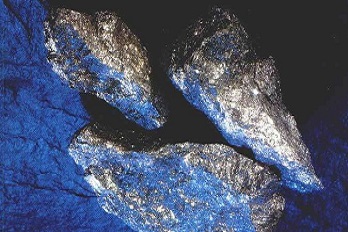
| Products Copper,Vermiculite,anode slimes |
Website http://www.palabora.com/ |
Company Email nico.steenkamp@riotinto.com |
| Address Not Mentioned |
Subsidiaries Not Mentioned |
Facebook |
Twitter |
Instagram |
LinkedIn |
Company Overview
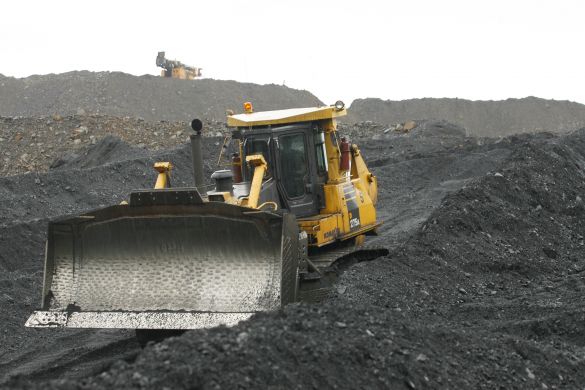
Palabora is a long established copper mining and processing complex in South Africa historically associated with UK headquartered mining groups. The operation transitioned from open pit to underground mining to extend its life of mine. It produces refined copper and associated mineral products. Integrated smelting and refining facilities support value addition. Palabora remains active within the international base metals sector.
Company History
Palabora began open pit copper mining in 1965 in South Africa.
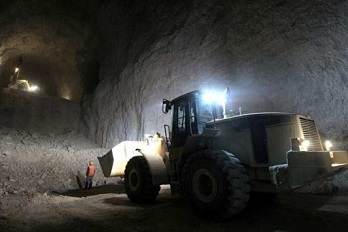
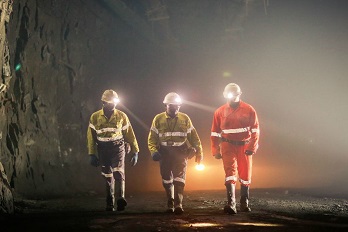
Transition to underground mining during the 2000s extended the life of the operation and strengthened long term output capacity.
The project remains integrated into the international base metals supply chain, with historical links to UK headquartered mining groups.
Areas of Operation
Operational Scope and Regional Presence: Palabora operates in Limpopo Province, South Africa, near the town of Phalaborwa within a major copper producing district. The region contains one of the largest known copper deposits in southern Africa. Initially developed as an open pit mine, the operation transitioned to underground extraction. Its geographic location anchors it within southern African mineral corridors.
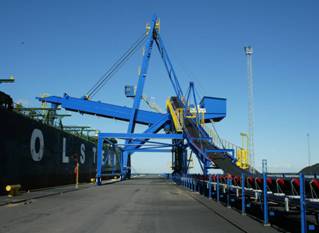
Infrastructure includes underground mining systems, concentrators, smelting and refining facilities, and tailings management systems. Road and rail networks connect production to domestic industrial users and export ports. Integrated processing enhances copper purity prior to shipment. Coordinated logistics systems support participation in global metal trade flows.
The Limpopo setting offers a strong strategic geographic advantage through access to established regional infrastructure and export routes. Proximity to port facilities enhances international integration. Primary Mining Regions include the Phalaborwa copper district in Limpopo Province, reinforcing its role within the global base metals sector.
Recent Activities
2024: Palabora continued underground copper production in Limpopo Province, South Africa, supported by mining system optimization and processing plant upgrades. Refined copper output remained aligned with regional industrial demand.
Infrastructure investments improved concentrator reliability and transport efficiency to domestic and export markets. Integrated rail and port coordination strengthened international shipment stability.
2025: Ongoing priorities include resource sustainability planning, emissions management strategies, and operational cost optimization, maintaining its role in the global copper supply chain.
Related Companies

Category