Rio Tinto Energy America
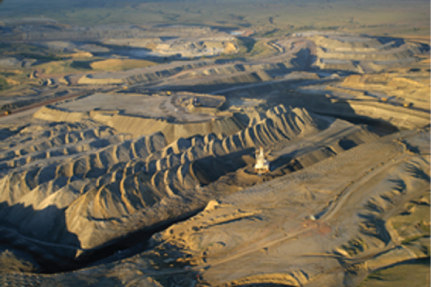
Company Location
| Company Name Rio Tinto Energy America |
Company Type Public |
Industry Mining |
| Founded 1993 |
Headquarters Wyoming |
Area Served Not Mentioned |
| Key People Not Mentioned |
Revenue Not Mentioned |
Number of Employees Not Mentioned |
| Products coal mine |
Website Not Mentioned |
Company Email Not Mentioned |
| Address Not Mentioned |
Subsidiaries Not Mentioned |
Facebook |
Twitter |
Instagram |
LinkedIn |
Company Overview
Rio Tinto Energy America historically oversaw coal and energy-related mining assets in the United States, particularly in Wyoming and Colorado. Operating within a UK corporate framework, the division supplied thermal coal to domestic utility markets. Surface mining systems and heavy-haul rail links enabled high-volume extraction and distribution. Strategic energy asset management supported long-term supply agreements. The division contributed to the broader North American energy infrastructure and industrial power sector.
Company History
Rio Tinto Energy America was formed in the 1990s to manage coal mining assets in the western United States.
Operations expanded during the 2000s through acquisitions and infrastructure development in Wyoming and Colorado.
In the 2010s, strategic divestments realigned the division within broader corporate restructuring plans of the UK headquartered parent company.
Areas of Operation
Operational Scope and Regional Presence: Rio Tinto Energy America operated in Wyoming and Colorado, United States, within major coal-bearing basins such as the Powder River Basin. The region is known for large-scale surface coal deposits supporting power generation. The division managed multiple mining sites across western U.S. energy corridors.
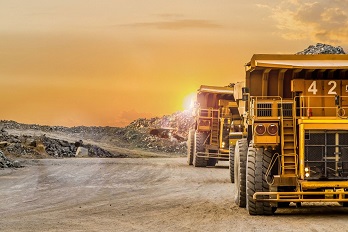
Infrastructure included surface mining fleets, haul roads, loading facilities, and rail links connecting to domestic utility markets. Coal preparation and blending systems enhanced fuel specifications. Logistics networks ensured efficient distribution across interstate transport routes and export options where applicable.
The western United States location offered a strategic geographic advantage through access to extensive coal reserves and established rail infrastructure. Domestic market proximity strengthened supply reliability. Primary Mining Regions included the Powder River Basin in Wyoming, reinforcing integration into North American energy supply systems.
Recent Activities
2024: Rio Tinto Energy America monitored legacy coal site management in the United States, emphasizing environmental compliance and infrastructure stabilization.
Rail-linked logistics systems associated with former operations remained under structured oversight to ensure regulatory adherence and land stewardship.
2025: Continued focus remains on rehabilitation initiatives and long-term asset management planning aligned with corporate environmental commitments.
Related Companies


Category