Underground Mining
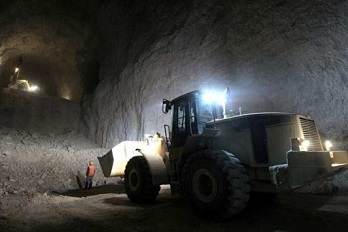
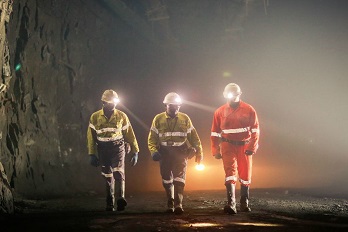
Underground mining is carried out when the rocks, minerals, or precious stones are located at a distance far beneath the ground to be extracted with surface mining. To facilitate the minerals to be taken out of the mine, the miners construct underground rooms to work in. The mining company selects the best feasible way to get the minerals extracted out.
Most mining is carried out using; Continuous mining that employs a continuous mining mechanism to cut the coal deposits from the walls. This means there is less of blasting and drilling and utilizes fewer miners down in the mines. It is safer than the yester year techniques of mining that is being described on our coal mine tour page.
This kind of mining is done when the rock or mineral is on the side of a mountain. This makes it an easy, cheaper way to mine. Minerals that are mined with draft mining are gold, coal etc. with slope mining, the coal or mineral bed is located very deep and parallel to the ground. It is called a slope mine because the shafts are slanted. Shaft mining has a vertical man shaft, a tunnel where men travel up and down in an elevator. Shrinkage stoping is a flexible mining method for narrow ore bodies that need no backfill during stoping. Long wall mining consists of multiple coal shearers mounted on a series of self-advancing hydraulic ceiling supports.
Retreat mining is the last phase of a common type of coal mining technique referred to as room and pillar mining. Retreat mining is a process that recovers the supporting coal pillars, working from the back of the mine towards the entrance, hence the word retreat.Room and pillar mining advances inward, away from the entrance of the mine. Other underground mining methods include Hard rock mining, bore hole mining, drift and fill mining, long hole slope mining, sub level caving and block caving.
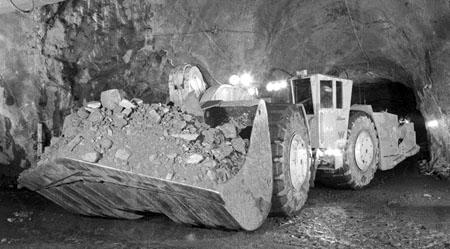
Two prominent ways through which underground mining is done are: