Diamond
Diamond Mining - Extraction Techniques
Diamonds and supplementary valuable and semi-precious gemstones are excavated from the earth level via 4 main types on mining. These diamond withdrawal methods vary depending on how the minerals are situated within the earth, the steadiness of the material neighboring the preferred mineral, and the nonessential damage done to the surrounding environment. The standard methods of mining for diamonds are:
• Hard Rock Mining
• Marine Mining
• Open Pit Mining
• Placer Mining
Read More about Diamond Mining
Hard-Rock Mining:
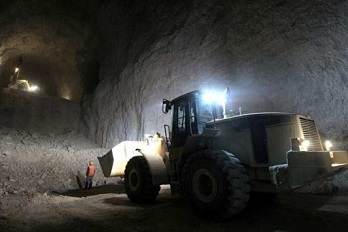
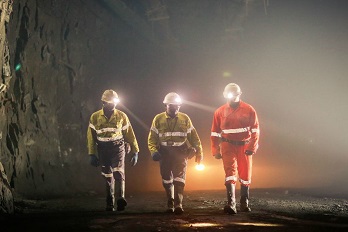
The name "Hard Rock Diamond Mining" refers to a variety of techniques used to mine precious stones & gems, minerals, and ore bodies by making tunnels underground and generating subversive "rooms" or "stopes" held in position by timber pillars of station rock. Access to the underground ore is achieved via a "decline" or a "shaft".
Open Pit Mining:
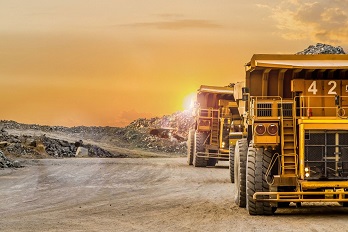
Open-Pit diamond mining or "Open-Cast Mining" is a technique of extracting rock or minerals from the ground by taking away from an open pit or hole. Open pit mines are utilized when deposits of minerals are established near the surface or along kimberlitic pipes.
Placer Mining:
Placer Diamond mining, also termed as "sand bank mining" is utilized for hauling diamonds and minerals from alluvial derived deposits. Placer Mining is a variety of open-pit or open-cast mining utilized to haul out minerals from the surface of the earth devoid of the usage of tunneling.
Marine Mining:
Marine mining method only became commercially feasible in the early 1990s. Marine diamond mining uses both "vertical" and "horizontal" methods to take out diamonds from offshore placer deposits. Vertical marine mining possesses a 6 to 7 meter diameter drill skull to slash into the seabed and suck up the diamond demeanor material from the sea bed.