molybdenum-mining

Responsible copper mining framework extended to nickel, zinc and molybdenum :

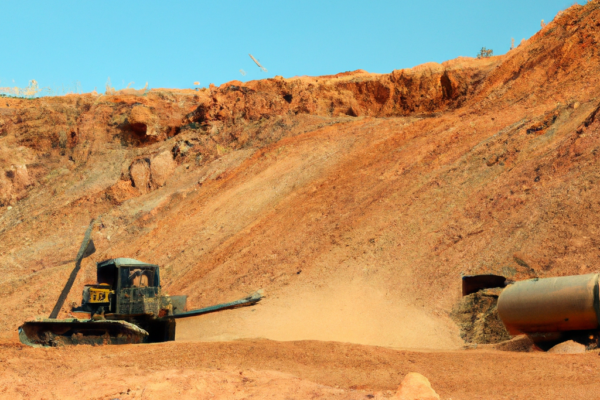
In a significant development for the mining industry, the Responsible Copper Mining Framework, which has gained traction in recent years, is being extended to encompass the extraction of nickel, zinc, and molybdenum. This expansion marks a critical step forward in promoting responsible and sustainable practices within the resource extraction sector, addressing environmental, social, and economic…

Read Full News

A recently identified mineral found in abandoned gold mine dumps.

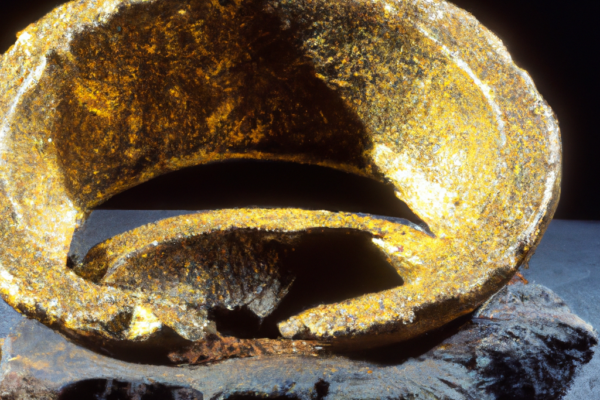
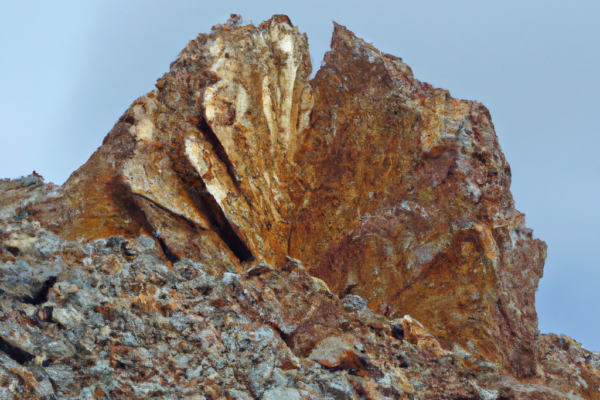
A recently identified mineral, named kanatzidisite, was found in the mining dumps of the abandoned Nagybörzsöny gold deposit at Alsó-Rózsa in northern Hungary. Kanatzidisite, belonging to the class of materials known as chalcogenides, has historical usage in copper production and modern applications in catalytic reactions for fuel production, solar cells, and various materials. This novel…

Read Full News

Codelco finalizes an agreement with the supervisors union at the Chuquicamata copper mine.

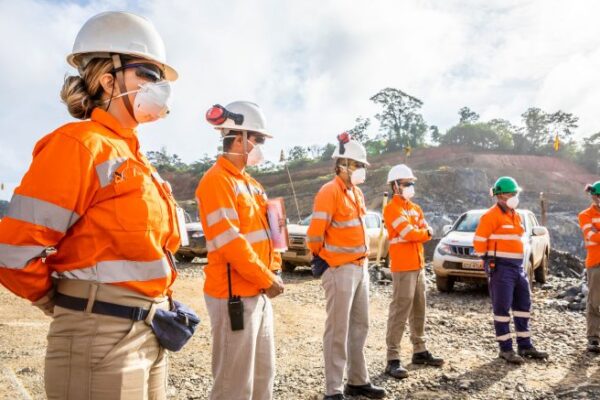
On Friday, Chile’s state-owned Codelco, the largest global copper producer, announced the successful negotiation of a new contract with the union representing supervisors in its Chuquicamata division. The agreement, impacting 658 individuals, incorporates incentives tied to goal achievement and enhanced productivity, according to the company’s statement. While the financial details remain undisclosed, the contract spans…

Read Full News

Ten Most Precious Metals

The value of metals is determined by various factors, including rarity, industrial usage, and investment demand. Here are ten of the most precious metals that are mined: Gold: Gold has been highly valued throughout history for its beauty and rarity. It is used in jewelry, electronics, and as an investment. Platinum: Platinum is a dense,…

Read Full News

Saudi Arabia increases its mineral resource estimates to $2.5 trillion.

Saudi Arabia has increased its projections for untapped mineral resources, encompassing phosphate, gold, and rare earths, to $2.5 trillion, a significant upward revision from the 2016 forecast of $1.3 trillion, as indicated by the country’s mining minister. This reflects Riyadh’s strategic emphasis on diversifying its economy away from oil dependence, with a focus on harnessing…

Read Full News