







Top 10 Mining Tools and Equipment in the USA (2026 Industry Guide)
By 2026, mining in the United States looks very different from what it did just a few years ago. The industry has moved beyond a simple focus on output and tonnage. Today’s mining companies are prioritizing automation, operational efficiency, worker safety, and environmental responsibility. This shift has pushed the adoption of smarter machines, cleaner energy solutions, and advanced digital technologies across both surface and underground operations.
Equipment manufacturers such as Caterpillar, Komatsu, Sandvik, and Atlas Copco continue to lead the U.S. market. Their focus on innovation has helped mining companies scale operations while lowering costs and meeting stricter safety and sustainability standards.
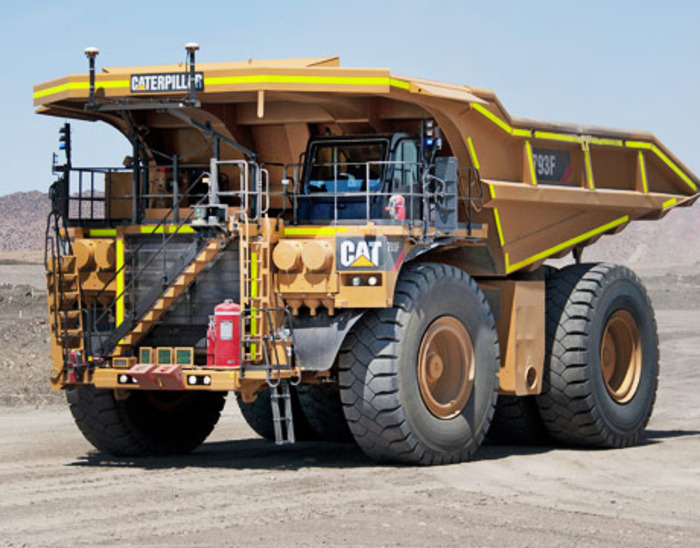
1. Autonomous Haulage Systems (AHS)
Autonomous haul trucks have become a cornerstone of large surface mines. These driverless vehicles operate continuously with high precision, reducing human error and significantly improving safety. By keeping haul cycles consistent and efficient, AHS systems help mines increase productivity while lowering operating risks.
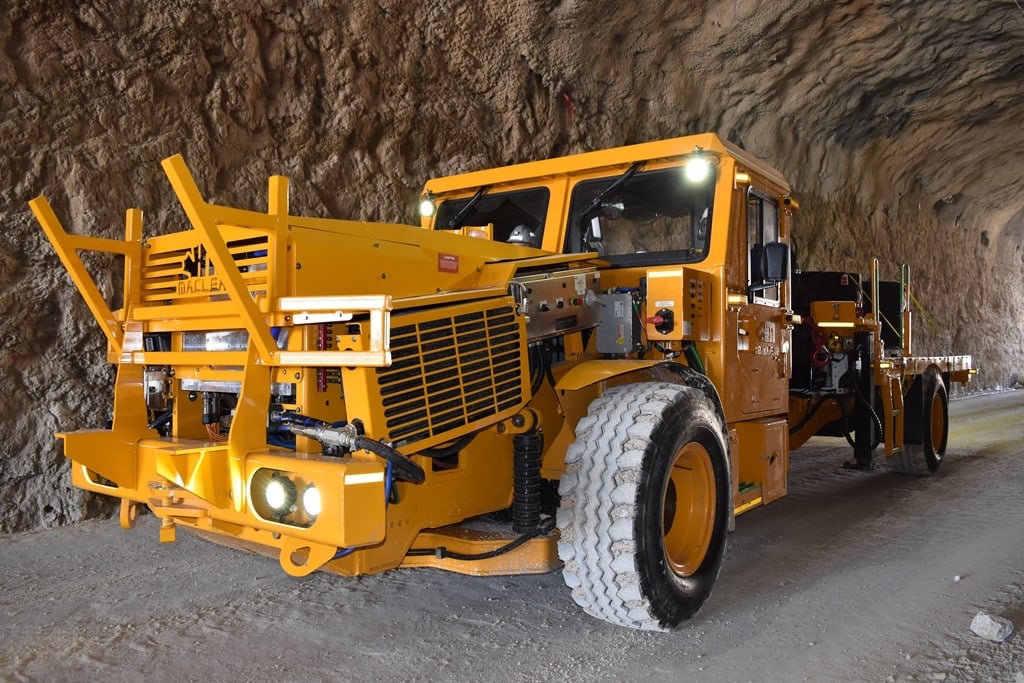
2. Battery-Electric Haul Trucks (BEVs)
Battery-electric mining vehicles are rapidly becoming the preferred option, especially underground. With zero exhaust emissions, BEVs reduce ventilation requirements, lower fuel costs, and create a cleaner working environment. In 2026, they play a major role in helping mines meet sustainability goals.
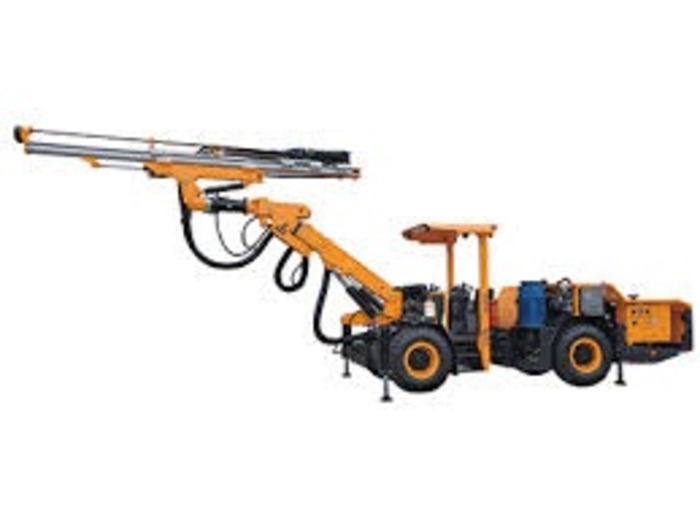
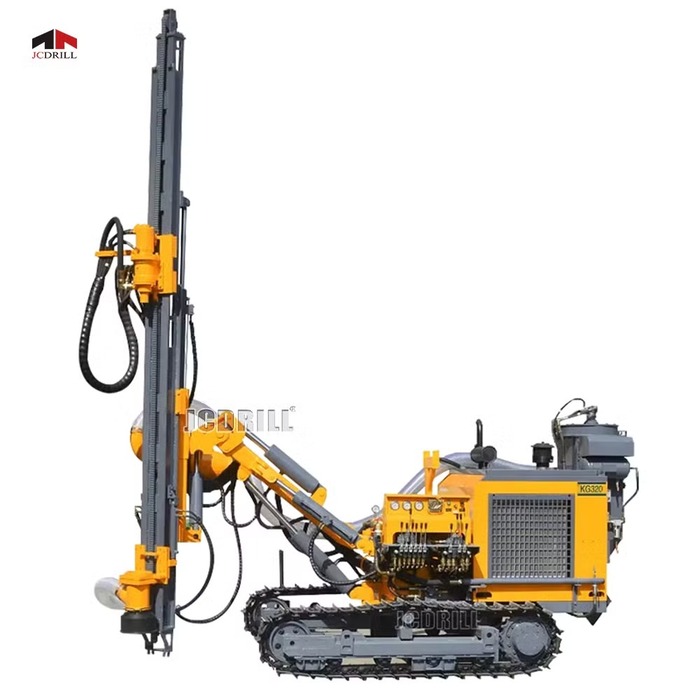
3. Hydraulic Drifters and DTH Drills
Hydraulic and down-the-hole (DTH) drills remain essential for hard-rock mining. These systems provide accuracy, power, and reliability, making them critical for exploration drilling, blasting preparation, and production work across U.S. mining regions.
4. Electric and Hybrid Excavators & Loaders
Electric and hybrid excavators and loaders are now common in modern mining fleets. They deliver the same heavy-duty performance as traditional machines but with reduced fuel consumption, lower emissions, and quieter operation—resulting in both cost savings and environmental benefits.
5. Drones and UAV Technology
Drones have become a standard tool at mine sites. In 2026, they are widely used for land surveys, stockpile measurements, site inspections, and environmental monitoring. By collecting accurate data from the air, drones improve decision-making while keeping workers out of hazardous areas.
6. Automated Loaders and Shovels
Automation has expanded beyond haul trucks to include loaders and shovels. Equipped with sensors and AI-driven controls, these machines optimize material handling, reduce downtime, and maintain steady production in both surface and underground operations.
7. Crushers and Grinding Systems
Crushers and grinding equipment remain the backbone of mineral processing. Modern systems now feature smart monitoring, automation, and Industry 4.0 integration, allowing operators to improve efficiency, reduce energy use, and maintain consistent output.
8. Conveyor Systems
Advanced conveyor systems are increasingly replacing truck-based haulage. Modular, high-capacity conveyors move material efficiently over long distances, reducing fuel consumption, lowering maintenance costs, and minimizing environmental impact.
9. Digital Twin Technology
Digital twin technology allows mining companies to create virtual models of equipment and entire mine sites. These simulations help operators test scenarios, predict maintenance needs, and optimize mine planning—saving time and money before changes are made on the ground.
10. Smart Safety Gear and Wearables
Safety technology has taken a major leap forward. Smart helmets, vests, and wearable devices track worker location, fatigue, air quality, and vital signs in real time. In 2026, these tools play a critical role in preventing accidents and improving overall mine safety.