




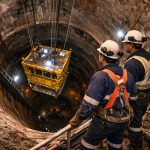

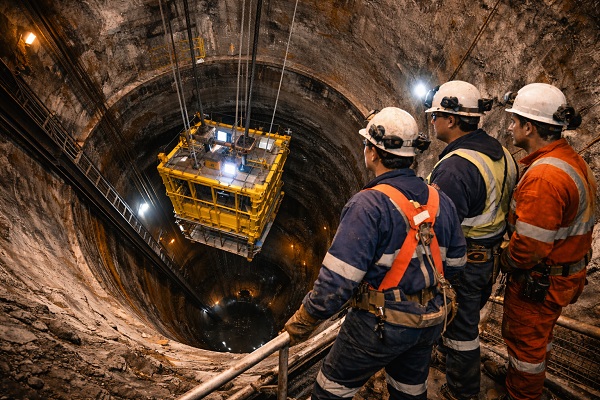
When people talk about “shaft mining,” the spotlight usually lands on the mine owners. But the truth is, the projects don’t move without the specialist contractors who do the tough, technical work underground—sinking new shafts, deepening old ones, rebuilding infrastructure, and fitting everything out for hoisting and ventilation.
And these aren’t small jobs. A mine shaft isn’t just a hole in the ground—it’s the mine’s backbone. It’s how crews and equipment get down, how ore gets hauled up, how airflow is managed, and how services like power, water, and communications are routed.
Heading into 2026, a handful of contractors stand out in the U.S. and North America for their experience with exactly this kind of high-stakes vertical work.
1) Redpath (including Redpath USA)
Why they matter:
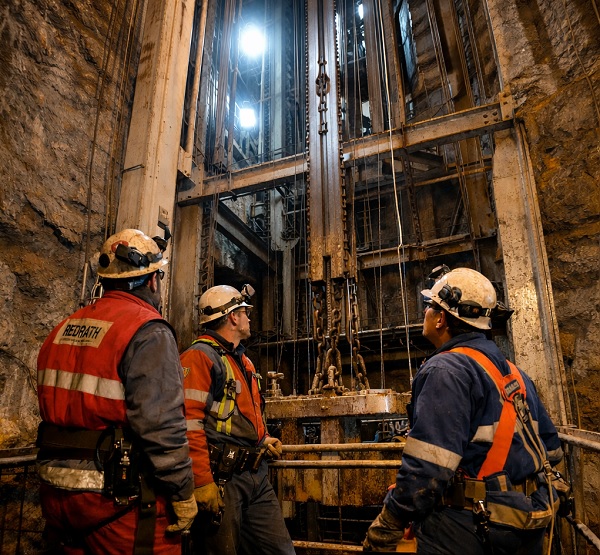
Redpath is one of those names you hear again and again in underground mining. They’ve built a reputation for complex projects, and with Redpath USA based in Nevada, they’re firmly in the North American mix. When the scope involves serious underground access and long schedules, Redpath is often on the shortlist.
What to watch in 2026:
More operators are under pressure to cut delays and lower risk on deep projects. That usually means working with contractors who’ve already proven they can handle major shaft systems—and Redpath fits that profile.
2) Frontier-Kemper (USA)
Why they matter:
Frontier-Kemper is one of the best-known U.S.-based underground contractors, especially when the work involves deep shafts—production, ventilation, or service. They’re a familiar player in American underground construction, which makes them a go-to option for projects that need conventional shaft sinking and heavy-duty support.
What to watch in 2026:
As more U.S. mines push deeper, underground expansions become more common—and that’s exactly where Frontier-Kemper tends to show up. If a mine needs a reliable team for traditional shaft construction in the U.S., their name usually comes up fast.
3) Thyssen Mining
Why they matter:
Thyssen has been around a long time, and they’re known for their underground expertise—including shaft sinking capability. They’ve built a strong presence across North America and have the kind of experience that matters when the work gets tricky.
What to watch in 2026:
Aging infrastructure is a growing issue across the mining industry. Mines don’t just build new shafts—they also need to rehabilitate, upgrade, and extend the life of existing ones. Thyssen often gets involved when the job is more about keeping a mine running safely and efficiently than starting from scratch.
4) DMC Mining Services
Why they matter:
DMC is positioned more like a full underground partner than just a contractor. Along with mine development work, they also support specialized vertical scope like shaft sinking and vertical raising, plus engineering and planning support that many owners want bundled into one package.
What to watch in 2026:
A big trend right now is owners wanting fewer handoffs between vendors. Instead of juggling separate engineering and construction teams, many prefer one partner who can manage both. That plays right into DMC’s strengths.
5) Cementation & Dumas (two separate firms, same top tier)
These are two different companies, but they often get mentioned in the same breath because both are well-known in the Americas for shaft-related work.
Cementation
Why they matter:
Cementation is frequently seen as one of the “top tier” contractors for technically demanding shaft projects. When the scope is deep, complex, or high-risk, they’re one of the names that tends to enter the conversation.
Dumas
Why they matter:
Dumas is also a major underground contractor with a strong reputation for shaft-related projects and underground mine services across the Americas.